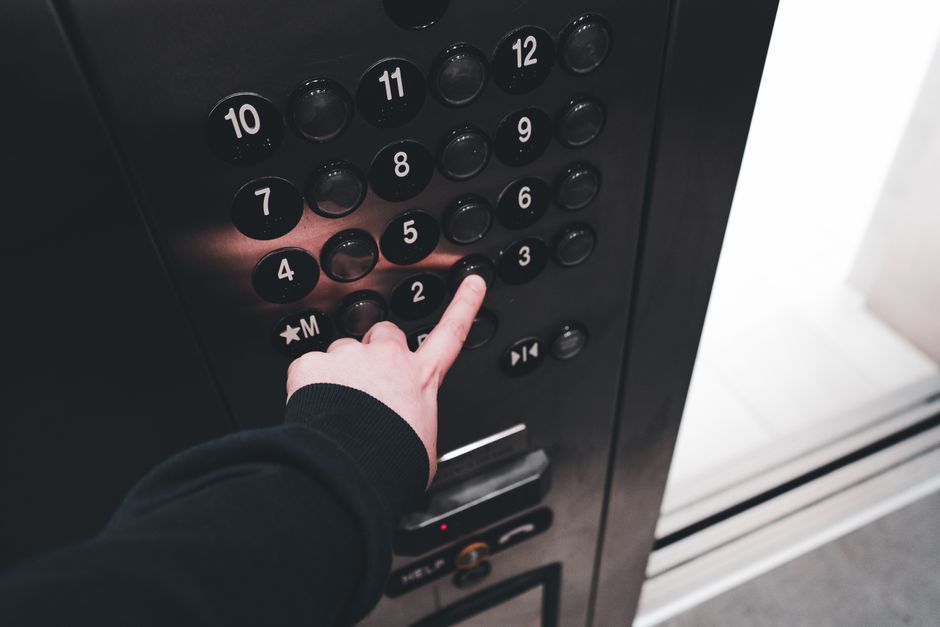
Lift Access Problems for Hounslow Removals: What to Do
Lift access problems can turn a normal moving day into a bit of a scramble. If you are dealing with lift access problems for Hounslow removals what to do, the good news is that this is usually manageable with the right planning. Whether the lift is too small, out of service, booked by another resident, or restricted by building rules, there are sensible ways to keep your move on track without damaging furniture or wasting time.
In Hounslow, you will see everything from compact flats near busy roads to taller apartment blocks where lift use is tightly controlled. That means removals often depend on timing, access details, and clear communication. This guide explains what lift access problems actually mean, why they matter, and what to do before, during, and after moving day so you can stay calm and organised. Let's face it, moving is stressful enough without getting stuck outside the lift with a wardrobe and a flat-pack bed frame.
Why Lift Access Problems for Hounslow Removals what to do Matters
Lift access matters because it affects almost every part of the move: how long loading takes, whether large items fit safely, how many people are needed, and whether the building stays protected from knocks and scrapes. If a lift is unavailable, you may need more manual carrying, more time, or a different removal method altogether.
That sounds simple, but in practice it can change the whole job. A sofa that would have taken five minutes through a lift can become a careful two-person carry down several flights of stairs. A fridge might fit in theory, but the turning space in the lift may make it impossible in reality. And if the building has set move-in slots, you do not get much room for trial and error.
For Hounslow properties, especially flats and shared buildings, lift access problems are common enough that they should be planned for rather than treated as an inconvenience. If you want a wider view of how local moving services are typically organised, it can help to look at flat removals in Hounslow alongside the broader removal services available in Hounslow.
Why does this matter so much? Because delays tend to compound. If the lift is out of action for ten minutes, that can easily become thirty once you factor in waiting, re-routing, extra handling, and coordination with the building manager. In moving work, small delays have a funny habit of becoming big ones.
How Lift Access Problems for Hounslow Removals what to do Works
Lift access problems usually fall into one of a few patterns. Sometimes the lift is physically too small for furniture and boxes. Sometimes the lift is working but has restrictions, such as time slots, key access, or load limits. Sometimes it is being used by other residents, and sometimes it is completely out of service. Each situation needs a slightly different response.
In a normal move, the team will want to use the lift to reduce carrying distances, protect items from damage, and keep the job efficient. When that option disappears, the plan often changes to stair carries, split loads, or extra crew members. For larger items, the team may need to dismantle furniture before carrying it out. That is why services like furniture removals in Hounslow are often useful when access is tight.
The key is not to panic on the day. The better approach is to identify the issue early, then adapt the move around the building rather than trying to force the building to suit the move. Truth be told, the lift does not care about your timeline.
Good movers will usually ask about lift access during the quote stage because it affects labour, vehicle positioning, and the amount of time needed. If the lift is unavailable, the move may still go ahead smoothly, but the crew needs to know in advance.
Key Benefits and Practical Advantages
Planning for lift access issues brings a few clear benefits. The first is obvious: fewer delays. The second is safety. The third is less stress, and that part is not minor. When people know the plan, they stop second-guessing everything.
- Lower risk of damage: careful planning reduces knocks, scrapes, and awkward turns.
- Better time management: you can allow enough time for stairs, waiting, or splitting loads.
- Less physical strain: more people or the right tools can reduce the burden of heavy carries.
- Smoother communication: residents, landlords, and movers all know what to expect.
- More accurate pricing: access details help the move be quoted more realistically.
There is also a practical side that people sometimes overlook: if you know the lift will be a problem, you can choose the right type of moving support. Some jobs fit a straightforward van-and-crew setup. Others need more hands, more time, or a different kind of loading approach. If you are comparing removal styles, pages like man and van in Hounslow, man with a van Hounslow, and removal van Hounslow can help you understand the service options.
Expert summary: the best outcome usually comes from matching the service to the building, not just the size of the inventory. A well-planned move with stair access can beat a badly planned lift move every time.
Who This Is For and When It Makes Sense
This advice is useful for anyone moving in or out of a flat, apartment block, maisonette, or managed building where lift access may be limited. It is especially relevant if you are moving with large furniture, moving on a deadline, or dealing with building rules that are stricter than you expected.
You may need this guidance if:
- the lift is too small for sofas, wardrobes, or large appliances;
- the building only allows lift use during fixed hours;
- the lift requires a key fob, code, or concierge approval;
- the lift is currently out of order;
- you are moving from a high floor and stairs would be too slow without a plan;
- you are managing a move for students, tenants, or office equipment;
- you want to avoid annoying neighbours on a busy moving day.
If you are moving from a higher-floor flat or a compact estate property, lift access planning becomes even more important. A local example might be a small flat where furniture needs to be carried through narrow corridors and around awkward corners. For that type of move, a guide such as the TW3 estate removals guide for small flats in Hounslow can be especially relevant. Likewise, if you are planning around a busy neighbourhood or transport corridor, Heathrow area removals for Hounslow homes near the airport gives a sense of how location affects timing.
Not every move needs the same level of preparation. A small student move might be fine with stairs and a compact van. A full household move with beds, dining furniture, and white goods is a different story. Different animal altogether.
Step-by-Step Guidance
Here is a practical way to deal with lift access problems without turning the day into chaos.
- Check the building rules early. Ask whether the lift can be booked, whether a key is needed, and whether there are time limits for moving.
- Measure the lift and the items. Do not assume the wardrobe will fit because the door looks wide enough. Measure properly if you can.
- Tell the moving team in advance. Mention the floor number, whether the lift works, and whether stair carries may be needed.
- Separate the largest items. Beds, tables, and some wardrobes can often be dismantled. That can make a huge difference.
- Protect the building. Use covers, blankets, or guards where needed so walls, doors, and lift interiors stay protected.
- Plan a loading zone. If the lift is out, a clear route from flat to vehicle matters even more.
- Build in extra time. Access problems nearly always slow things down, even when everything goes well.
- Keep essentials separate. If the move gets delayed, you will still want your charger, documents, toiletries, and kettle within easy reach.
If the move looks more complicated than expected, ask whether storage or an extra vehicle run would help. In some cases, short-term storage in Hounslow can take pressure off the day, especially if access is poor and the property is not ready yet.
One small but useful habit: keep the lift details written down. Floor number, access method, move time, concierge contact, and any parking restrictions. A tiny notes page on your phone can save a lot of back-and-forth later.
Expert Tips for Better Results
From experience, the best lift-access moves are the ones where nobody is guessing on the day. A few habits make a big difference.
- Choose the right time of day. Early morning tends to be calmer in many buildings, though that depends on the property and local traffic.
- Use blankets and straps. If items must travel through tight spaces, protection matters more than speed.
- Break the move into smaller runs. Smaller, safer loads are often more efficient than one risky heavy haul.
- Keep lifts clear when they are usable. Do not overfill the lift or block doors waiting for everyone to gather.
- Ask about the exit route too. A lift problem at the start may not be the only issue; the path to the vehicle can be just as tricky.
- Use specialist help for awkward items. Pianos, large wardrobes, and bulky furniture can need specific handling.
If you are moving a heavy or delicate item, consider whether a dedicated service is more sensible than trying to squeeze it through a tight building. For example, piano removals in Hounslow need especially careful access planning. Same with fragile or oversized furniture, where furniture removals can be a much better fit than a general load-and-go approach.
A small human detail, but useful: on a wet London morning, stairs get slippery quicker than people expect. That bit alone can make a lift failure feel ten times worse, so proper footwear and careful pacing really matter. Simple stuff, yes. Still matters.
Common Mistakes to Avoid
Most lift-related moving problems are not caused by the lift itself. They come from planning gaps. That is the annoying part.
- Assuming the lift will be available all day. Many buildings have time restrictions or shared-use limitations.
- Failing to measure bulky items. A few centimetres can make the difference between a smooth move and a stuck item.
- Not warning the removal team. If the crew turns up expecting lift access, they may need to reorganise everything.
- Ignoring parking and loading distance. A lift problem plus a long carry from the van is where things get tiring fast.
- Leaving dismantling too late. Beds and wardrobes are much easier to prepare before moving day.
- Forgetting building protection. Scraped walls or damaged lift panels can create avoidable complaints.
It is also a mistake to think that stair access automatically means the move is too hard. Not necessarily. Many moves go perfectly well with the right crew, the right time estimate, and sensible packing. If you need a more general overview of how a move can be structured, house removals in Hounslow and the services overview are useful starting points.
And yes, there is such a thing as asking too few questions. If the building is awkward, ask more. It saves everyone a headache.
Tools, Resources and Recommendations
You do not need a van full of specialist kit to handle lift access problems, but a few items and habits help enormously.
- Furniture blankets and removals covers for doors, corners, and lift interiors.
- Ratchet straps or strong tie-downs to keep items secure in the vehicle.
- Dollies or sack trucks where the route allows safe use.
- Basic tools for dismantling beds, tables, and shelving.
- Labels and marker pens so split loads are easy to reconnect later.
- Floor plans or rough measurements if you are moving larger items into a new block.
For planning and quote clarity, it helps to understand how pricing can change with access issues. A move that includes stairs, waiting time, or extra handling may cost differently from one with easy lift access. You can review pricing and quotes and payment and security information to get a feel for the practical side of booking.
If your move needs to happen quickly because of access problems, same-day support may be relevant, provided the details are clear and the job is realistic. In those cases, same-day removals in Hounslow may be the better route than leaving everything until the last minute.
Useful recommendation: ask for a service that matches your actual building conditions, not the ideal version of them. That saves time and avoids a lot of crossed wires.
Law, Compliance, Standards, or Best Practice
Lift access problems are usually handled through building rules, landlord arrangements, and general moving best practice rather than anything dramatic or complex. Still, a few standards matter in the real world.
Moving teams should work carefully, protect property, and avoid unsafe manual handling. In the UK, safe lifting and carrying practices are taken seriously, and it is normal for a professional removals company to plan loads, use enough people for heavy items, and reduce the chance of injury. That is especially relevant where lifts are unavailable and stairs become part of the job.
From a building-management point of view, it is also normal for residents to be asked to book lifts, use protective coverings, or keep access corridors clear. If you are moving from a managed block, check whether there are written move rules, permitted hours, or requirements to inform the concierge in advance.
Insurance matters too. If a lift is too small and furniture is forced through it, there is a greater chance of dents, chips, or damage claims. That is why it is sensible to work with a service that takes safety and property protection seriously. You can read more about this in the site's insurance and safety and health and safety policy pages.
Practical best practice: if the lift is questionable, plan as though it will not be available. If it does work on the day, great. If not, you are already prepared.
Options, Methods, or Comparison Table
There is no single right answer to lift access problems. The best approach depends on the property, the furniture, and how much time you have. Here is a simple comparison.
| Method | Best for | Pros | Limitations |
|---|---|---|---|
| Use the lift as planned | Buildings with reliable, spacious, booked access | Fast, efficient, easier on heavy items | Can fail if the lift is shared, small, or out of service |
| Stair carry | Low-rise blocks, small moves, access restrictions | Works even when the lift is unusable | Slower, more physical, higher fatigue risk |
| Furniture dismantling | Large beds, tables, wardrobes | Makes tight access easier and safer | Takes time and requires tools or skill |
| Extra crew or larger vehicle | Busy moves or high-floor flats | Speeds up stair carries and loading | Usually costs more than a basic move |
| Short-term storage | Delayed access or incomplete handover | Reduces pressure on moving day | Needs an extra step in the process |
If you are comparing service styles, it may help to look at man with van Hounslow and man with a van Hounslow options, especially where access is tight and the job needs to stay flexible. For bigger jobs, removal companies in Hounslow may be more suitable.
Case Study or Real-World Example
Imagine a second-floor flat in Hounslow with a lift that is technically available, but only one resident can use it at a time and it barely fits a single mattress upright. On paper, the move looks fine. In reality, the sofa is too long, the wardrobe is awkward, and the lift becomes a bottleneck the moment the first large item reaches the door.
In a case like this, the smartest approach is usually to dismantle the bulky items first, carry smaller boxes separately, and use the lift only for lighter loads if it helps. If the lift is out of service entirely, the crew may switch to stair carries with extra padding and a slower loading rhythm.
That kind of move is exactly where planning makes the difference. A helpful moving team will ask the right questions: What floor are you on? Is the lift working? Is there a booking slot? Is there parking close by? Those questions might feel fussy at the time, but they are the reason the day does not unravel.
For example, a family moving out of a compact flat before a school run and work shift may benefit from a calm, timed approach rather than a rush. The items get broken down, boxed properly, and carried in stages. Not glamorous, but effective. And that is what matters.
Practical Checklist
Use this checklist before moving day if lift access is likely to be a problem:
- Confirm whether the lift works and whether it can be reserved.
- Ask about access codes, keys, concierge rules, or move-in windows.
- Measure large furniture and check whether it can fit through the lift.
- Decide which items should be dismantled in advance.
- Tell your movers about floor level, access restrictions, and parking conditions.
- Protect doors, floors, walls, and the lift interior where needed.
- Keep essential items separate for easy access after arrival.
- Allow extra time for delays, stairs, or loading changes.
- Arrange storage if the property is not ready or access is uncertain.
- Review insurance and safety arrangements before the move.
If you are moving a student flat, a compact apartment, or a shared property, this checklist matters even more. You can also explore student removals in Hounslow if your move is smaller but still tricky because of access.
Small checklist, big relief. Honestly, it helps more than people expect.
Get a free quote today and see how much you can save.
Conclusion
Lift access problems are frustrating, but they are not a disaster. Once you know what is actually going wrong, the solution is usually practical: measure properly, communicate early, choose the right moving method, and allow a little extra time. In Hounslow, where flats, estates, and managed buildings can all throw up different access issues, that bit of planning goes a long way.
If you remember one thing, make it this: do not wait until the van arrives to discover the lift is unusable. That is the moment people end up stressed, rushed, and making awkward decisions. Better to sort the details now, calmly, while there is still room to adjust.
With the right preparation, even a stubborn lift problem becomes just another moving-day detail. Not ideal, sure. But manageable. And manageable is a pretty good place to be.
Frequently Asked Questions
What should I do first if the lift is broken on moving day?
Tell the removal team immediately, check whether stairs are safe and practical, and confirm if the building has an alternative access route. Then adjust the plan by splitting loads or dismantling larger items.
Can removals still go ahead if the lift is too small?
Yes, often they can. The team may use stairs for some items, dismantle furniture, or make more trips. The move usually takes longer, but it is still possible if planned properly.
Do I need to tell movers about lift access before the quote?
Absolutely. Lift access affects time, labour, and risk. If you leave it out, the quote may be less accurate and the move may feel rushed on the day.
Is it cheaper to use stairs instead of a lift?
Not usually. Stairs often mean more labour and more time, so the job can become more expensive or at least less straightforward. It depends on the building and the amount of furniture.
What if the lift is booked by another resident?
Check the booking window and try to move your schedule around it. If that is not possible, the team may need to wait or switch to another access method for part of the move.
Should I dismantle furniture if lift access is limited?
In many cases, yes. Beds, tables, wardrobes, and shelving are much easier to move in smaller parts. It also reduces the chance of damage in tight spaces.
What happens if my building requires a lift booking?
You will usually need to arrange the booking in advance through the landlord, management company, or concierge. Make sure the moving team knows the booking time so everything lines up.
Can a man and van service handle lift access problems?
Yes, if the move is relatively small or the access issue is manageable. For larger or more awkward jobs, a fuller removal service may be the better choice.
How do I protect the lift during a move?
Use blankets, covers, or approved protective materials where possible, and avoid overloading the lift. The aim is to prevent scrapes on doors, walls, and floor panels.
Should I book storage if the lift is not working?
Sometimes that is the sensible option, especially if the move-in is delayed or access is uncertain. Short-term storage can take pressure off the day and make the move less rushed.
What if I live on a high floor with no usable lift?
Plan for stair carries, extra labour, and longer moving time. Keep heavy items to a minimum, dismantle what you can, and make sure everyone involved knows the access situation in advance.
Can lift access problems damage my belongings?
They can if the wrong approach is used. Tight corners, rushing, and forcing oversized furniture through small spaces all increase the risk. Careful handling and good planning greatly reduce that risk.
Where can I learn more about Hounslow moving options?
You can explore the site's service information, flat moving guidance, and related local moving articles to compare options and plan your move more confidently.